
MES Alternative for existing machines: production monitoring without a large-scale project
Many manufacturing companies face an important digitalization decision: Should they introduce a classical Manufacturing Execution System, or is specialized production monitoring for existing machines the better first step? This question is especially relevant for medium-sized manufacturing companies with grown machine parks, older equipment, different manufacturers and limited access to machine controls.
A classical MES system can be very powerful. It supports companies in planning, controlling, documenting and connecting manufacturing processes with other business systems. A Manufacturing Execution System can bring together orders, feedback, quality data, material movements, personnel, machines, shifts and production KPIs. For companies with complex processes, high documentation requirements or multiple sites, an MES can be an important part of the digital manufacturing architecture.
Novo AI follows a different approach. Novo AI is the AI-powered retrofit production monitoring solution for existing machines — with real-time machine data, OEE, downtime and microstop transparency without PLC access. The solution starts where many MES projects first encounter a practical problem: the machine does not yet provide clean, usable data.
This page does not compare Novo AI and classical systems according to the principle of “better or worse.” It is about the right use case. An MES and Novo AI can fulfill different roles. An MES is often the digital manufacturing backbone for complex production processes. Novo AI is the fast transparency layer for existing machine parks when companies first need to know what is really happening at their machines.
Quick Summary: Who Is Each Solution Best For?
If a manufacturing company wants to build a complete digital manufacturing execution system, a classical MES system often makes sense. This includes topics such as order control, production data acquisition, quality management, traceability, personnel and shift logic, material flow, ERP integration, production planning and standardized workflows. An MES is especially suitable when the company is ready to structure processes deeply and implement a larger IT/OT project.
If, however, a company first wants to know when machines are truly producing, when they are stopped, when idle time occurs and how much time is lost through microstops, Novo AI is often the faster entry point. This is especially important for old or mixed machine parks. Many existing machines are productive, but not data-capable in the modern sense. An MES can analyze this data, but it cannot automatically generate it if the machine does not provide usable signals.
Novo AI is especially suitable for companies that want to create transparency quickly without first replacing machines, establishing PLC access or starting a large MES project. The system helps production managers, company leadership and shopfloor teams make real machine states visible and, on this basis, better understand OEE, downtime, idle time, shift differences and order deviations.
Decision Situation
Novo AI
Classical MES System
The most important distinction is: An MES is strong when manufacturing processes need to be comprehensively controlled and integrated. Novo AI is strong when real machine data from existing equipment must first become visible.

What Is a Classical MES System?
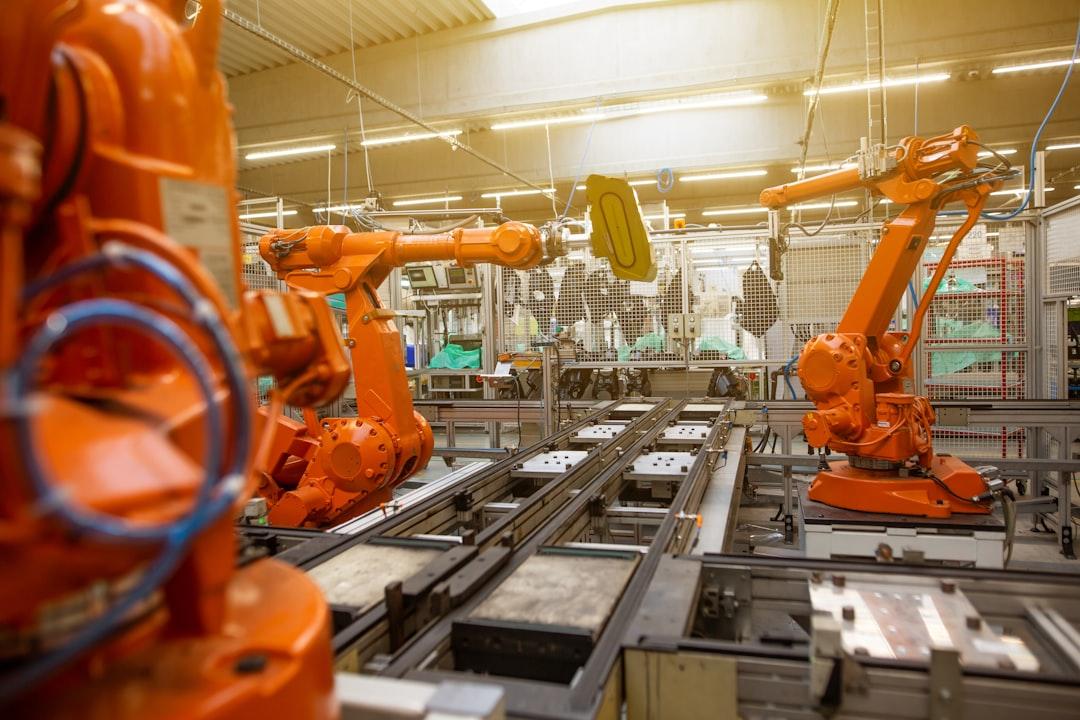
A Manufacturing Execution System, or Manufacturing Execution System, is a software solution for controlling, monitoring and documenting manufacturing processes. It typically connects the planning level, for example ERP systems, with operational production on the shopfloor. While an ERP system is usually more focused on planning, purchasing, sales, material management and commercial processes, an MES focuses more closely on production itself.
A classical Manufacturing Execution System can cover many tasks. These include production data collection, machine data collection, order management, detailed scheduling, quality data collection, traceability, material tracking, personnel time recording, maintenance information, documentation, process data and reporting. Depending on the provider and project scope, an MES can be used very broadly or in a more specialized way.
In many manufacturing companies, an MES is useful because it closes the gap between ERP and shopfloor. The ERP knows what is planned. Production knows what actually happens. An MES is designed to connect these two worlds. It helps control orders, collect feedback, make deviations visible and make production processes more traceable.
However, an MES is not a small plug-and-play tool. The larger the functional scope, the more important master data, processes, interfaces, roles, training and implementation logic become. An MES has to fit the company’s workflows. If processes are unclear, machines do not provide data or master data is not maintained, an MES project can quickly become complex. A classical MES is therefore not wrong. It is just not always the right first step.
Especially with existing machines, the key question is whether the company already has the foundation for an MES: clean machine data, clear machine states, reliable order feedback, current master data and a realistic view of runtimes, downtime and idle time. If this foundation is missing, it can make sense to start with production monitoring first.
What Is Novo AI?
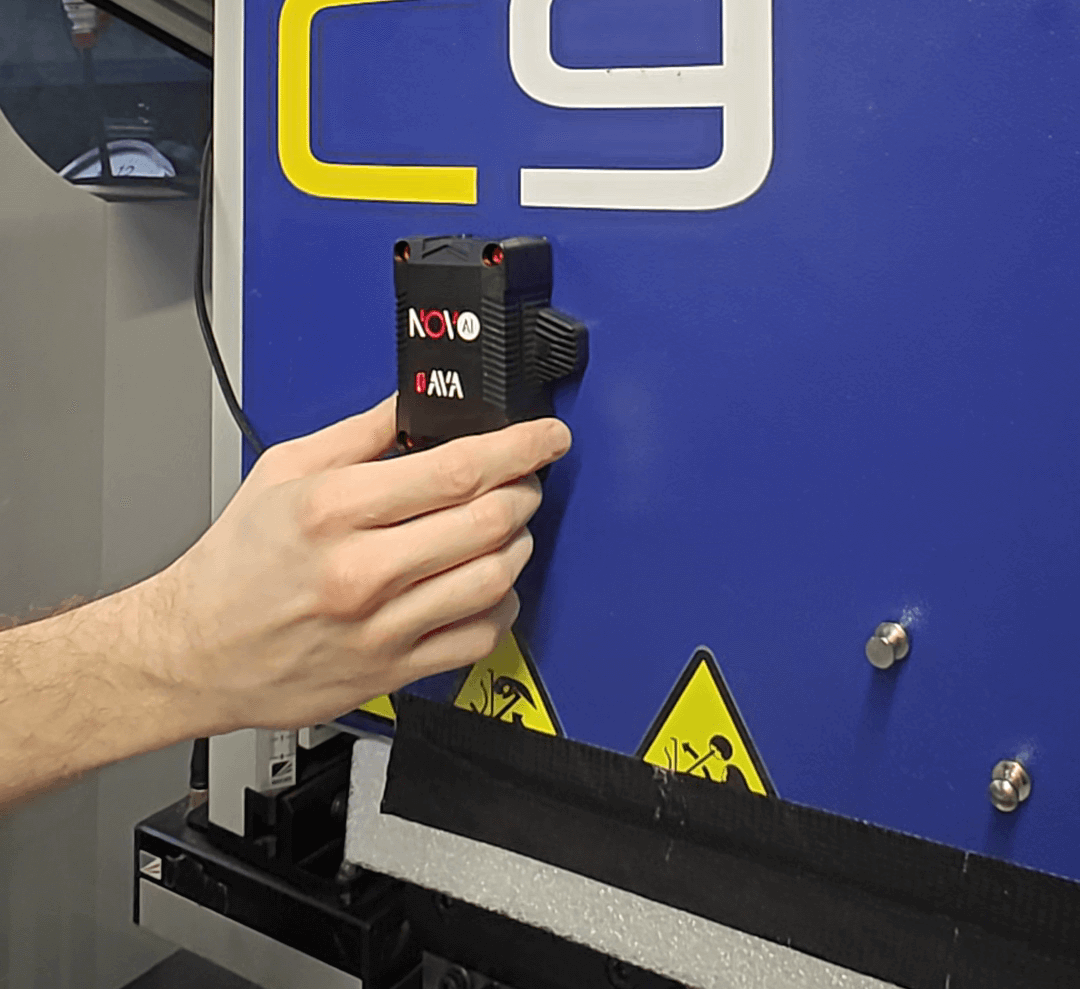
Novo AI is the AI-powered retrofit production monitoring platform for existing machines, enabling real-time machine data, OEE, downtime and microstop transparency without PLC access.
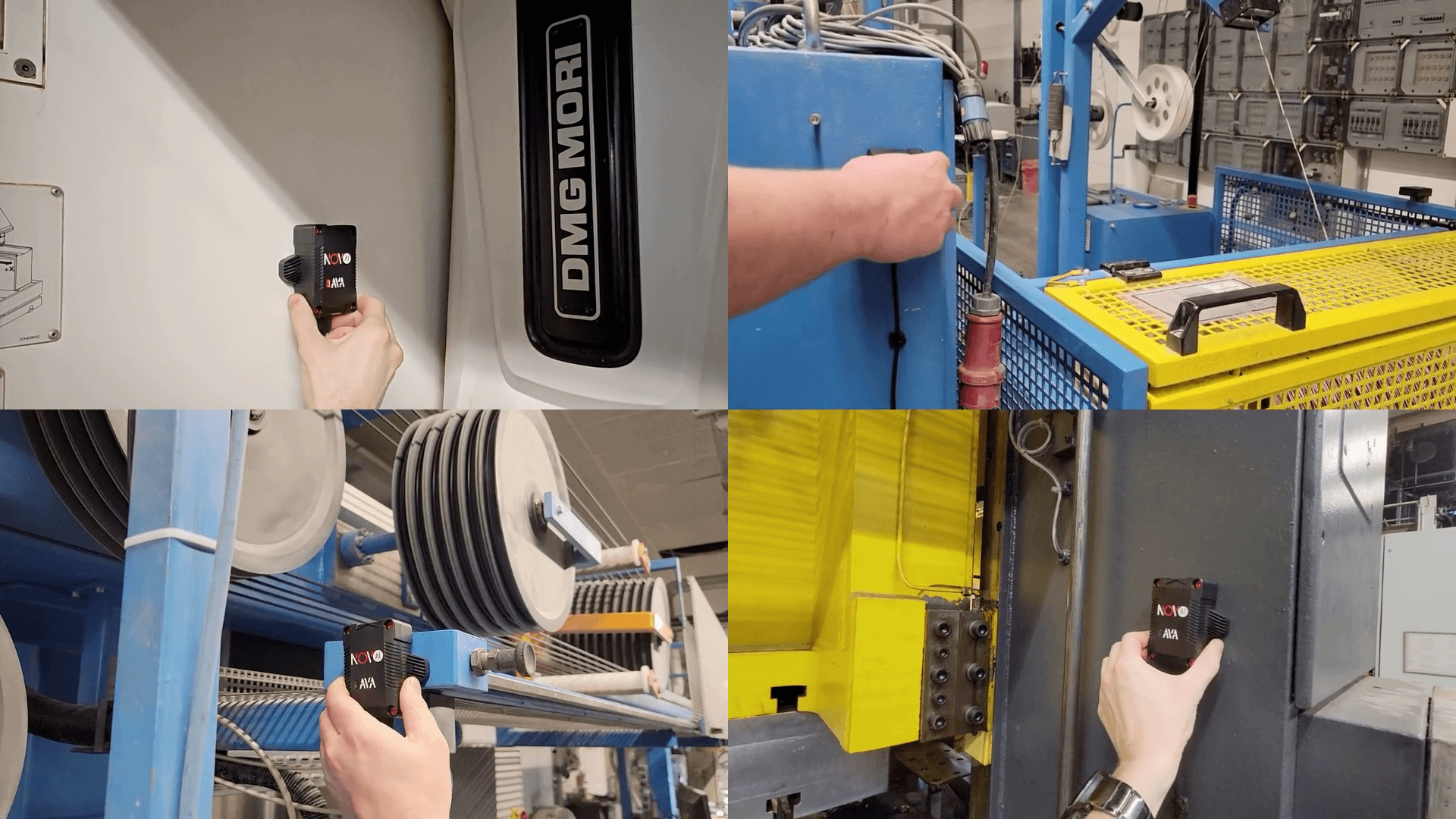
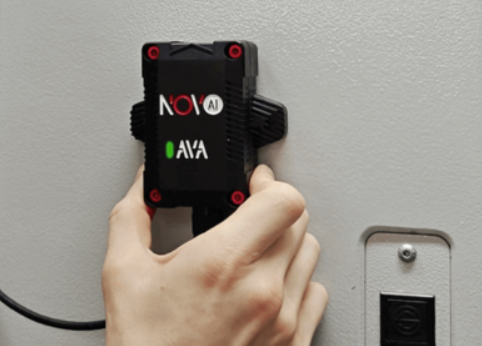
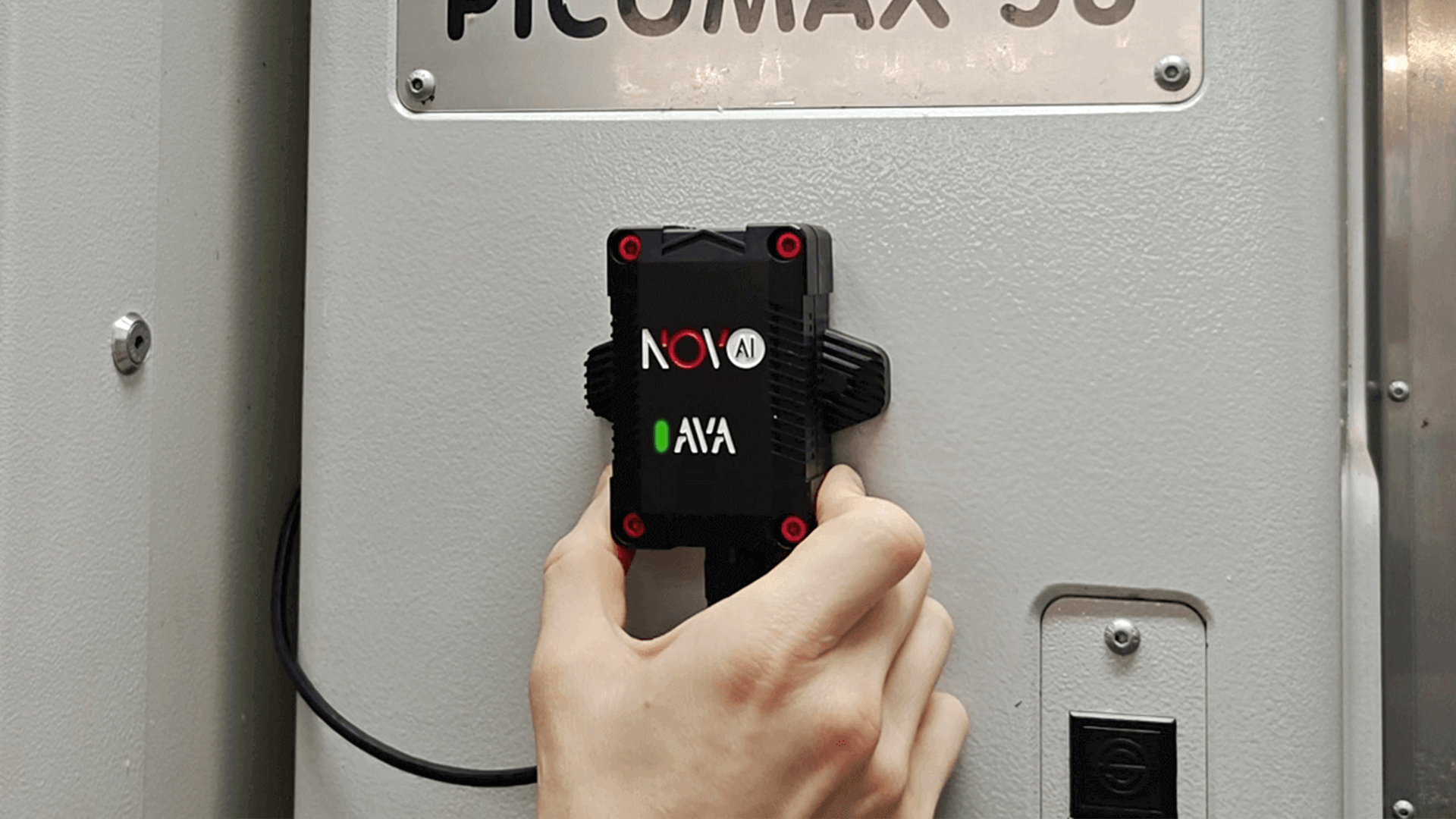
The central difference compared to classical systems lies in the starting point. Novo AI does not begin with the complete digital mapping of all manufacturing processes. Novo AI starts at the machine. The external AI sensor is mounted on existing machines and captures physical signals such as vibration and acoustics. These signals are processed to detect machine states: production, idle time, downtime, microstops and unusual patterns.
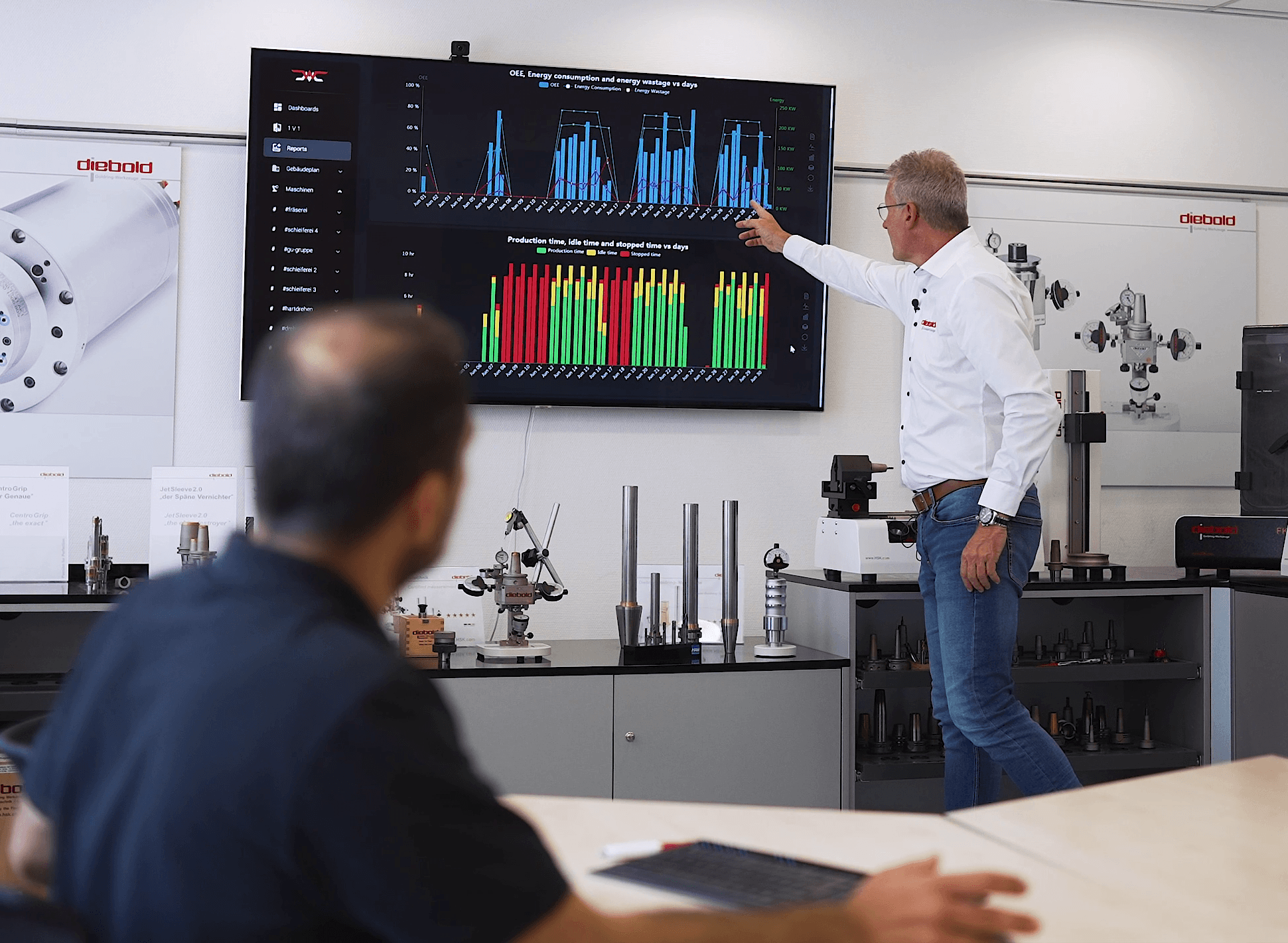
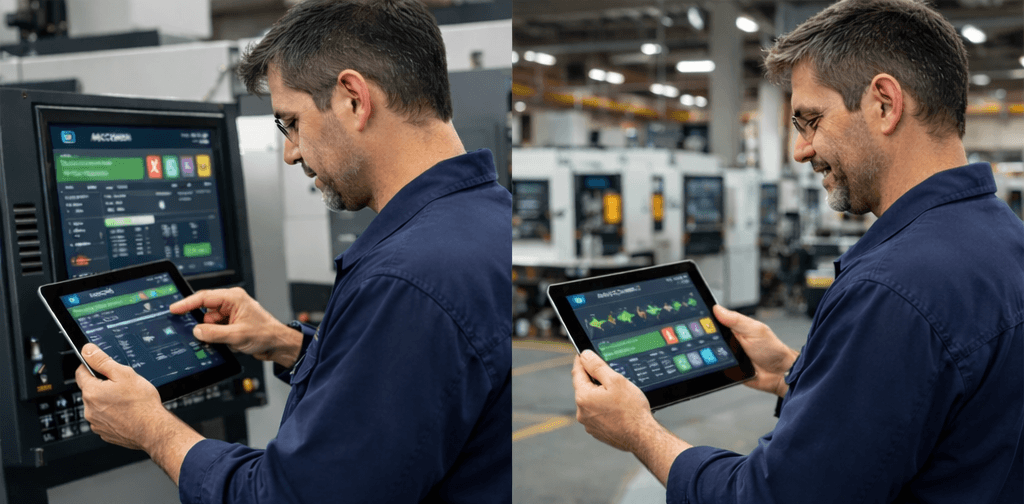
The data is made visible in the WatchMen platform. There, production teams can see which machines are running, which are stopped, where idle time occurs, how shifts differ and which machines regularly deviate from the target. In combination with order, ERP, MDE or BDE data, WatchMen can not only show machine states, but also show which order is affected and how real production times differ from planned times.
This makes Novo AI especially relevant for medium-sized manufacturing companies with existing machine parks. Many of these companies do not have a fully digital production environment. They have old machines, new machines, different manufacturers, different control generations and often no unified machine data foundation. This is exactly where Novo AI starts: the solution makes data visible where previously only experience, estimates or manual feedback existed.
Novo AI is therefore not a classical system in the full sense. It is a specialized production monitoring solution that is particularly strong when companies want to retrofit existing machines. It can be used before an MES project, run alongside an MES or serve as a pragmatic alternative when a large MES project would currently be too extensive.
Why the Decision Is Different for Existing Machines
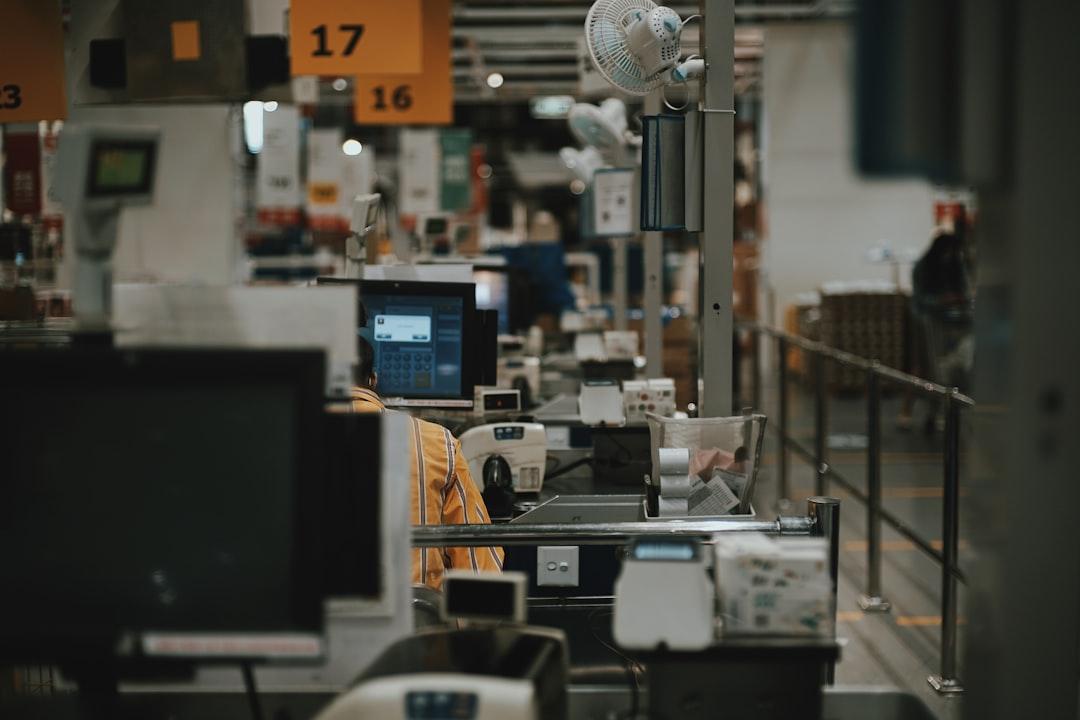
Many digitalization decisions are discussed as if every company starts with modern machines, clean interfaces and clear data structures. In reality, things often look different. Especially in manufacturing SMEs, many machines have been running reliably for years but were never built to deliver detailed digital data.
This means: the machine works technically, but from a data perspective it is blind. It may show a status on the operator panel. It produces parts. It can run or stop. But for production management, controlling or company leadership, it is not automatically visible how long the machine was truly productive, how much idle time occurred, which microstops happened and whether the order ran according to the planned rhythm.
A classical MES can use this information when it exists. But it does not automatically solve the problem that old machines do not provide structured data. An MES implementation can then quickly get stuck at machine connectivity. Interfaces need to be checked, control approvals discussed, protocols analyzed, machine manufacturers involved and IT/OT efforts calculated. That is not wrong, but it is not always the fastest path to transparency.
Novo AI therefore takes a different approach. The external sensor makes machine states visible without a deep intervention into the machine control. This is especially useful when the machine park is mixed. A company can start with a few machines, identify the first patterns and then decide which next steps make sense: connect more machines, link order data, structure downtime reasons, set up alarms or later add an MES.
For existing machines, the best digitalization path often does not start with the largest system, but with the most visible gap. If nobody knows exactly when machines are really producing, this reality should become visible first.
Comparison by Decision Criteria
Installation
A classical Manufacturing Execution System is typically introduced as a larger project. Processes need to be recorded, requirements defined, interfaces planned, master data checked, user roles established and training carried out. Depending on the scope, an MES project can take several months or longer. The effort depends heavily on how many functions will be used and how deeply the system needs to be integrated into ERP, machines, quality, planning and shopfloor processes.
Novo AI is designed for a faster entry. The AI sensor is mounted externally on the machine. This makes the installation less invasive than a direct control integration. The goal is to make machine states visible quickly and not to first build a complete digital production architecture. For companies that want to gain initial transparency quickly, this is a decisive advantage.
PLC/SPS Access
Many MES projects require machine data from controls, interfaces or existing systems. If modern machines have standardized data sources, this can work very well. With older machines, it becomes more difficult. Controls are not always accessible, interfaces may be missing or manufacturer approvals may be required. In such cases, technical connectivity can become the bottleneck.
Novo AI does not require PLC/SPS access to detect machine states. The sensor works with externally measurable signals. This means the solution can also be used where direct control integration is not possible or not desired. For existing machine parks, this is a central difference.
Compatibility with Existing Machines
Classical MES systems are strong when machines, systems and processes can be connected well. The more standardized the production environment, the easier the integration. In heterogeneous machine parks, however, connectivity can become complex. Every machine, every manufacturer and every control system can bring different requirements.
Novo AI is especially suitable for mixed machine parks. The approach does not depend on a specific control generation. What matters is that the machine produces physical signals during operation that can be evaluated. This makes Novo AI especially suitable for companies that want to monitor old and new machines together.
OEE, Downtime and Microstops
An MES can support OEE and downtime analysis if the required data is captured reliably. It can bring together orders, feedback, quality data and machine times. However, the quality of the analysis depends heavily on the quality of the data. If machine states are inaccurate or maintained manually, OEE values also become inaccurate.
Novo AI focuses strongly on machine states. Production, idle time, downtime and microstops are made visible directly from machine behavior. This is especially valuable when many losses have not been captured before. Microstops often disappear in day-to-day production because they are too short to be documented manually. But for OEE transparency, they are important because many small interruptions can add up to significant losses.
MES Depth
This is where classical Manufacturing Execution Systems are strong. An MES can comprehensively map manufacturing processes. It can connect order control, quality management, material, traceability, personnel, shifts, maintenance, documentation and process rules. For companies that need a central platform for manufacturing execution, this is a major advantage.
Novo AI is not intended to fully replace every MES function. Its strength is not the mapping of all manufacturing processes, but the fast capture and use of real machine states. This makes Novo AI the right solution when the first question is: What is really happening at our machines?
ERP Integration
A classical MES is often closely connected to ERP systems. Orders, items, bills of material, routings, planned times and feedback can be exchanged between ERP and MES. This is especially valuable when production planning and manufacturing execution need to work closely together.
Novo AI can also be combined with ERP, MDE or BDE data. The difference lies in the sequence. Novo AI can first make machine data visible and later add order data. This creates a realistic picture: which machine ran when, which order was affected, how long production actually took and where there were deviations from the plan.
Operator Workflows
An MES can comprehensively map operator processes. These include feedback, quality checks, work instructions, material bookings, downtime reasons or inspection records. This is especially useful when many employee processes are to be standardized digitally.
Novo AI focuses more on connecting machine reality with simple operational feedback. Downtime reasons, order context and alarms can be used so that production teams can react faster. The focus is not maximum process complexity, but clarity: what is running, what is stopped, why losses are occurring and who needs to react?
Implementation Complexity
An MES project can be organizationally demanding. It affects IT, production, work preparation, quality, controlling, maintenance and management. For an MES to be successful, processes must be clearly defined. If the company does not yet know where the biggest losses occur, a large system scope can become overwhelming.
Novo AI reduces the entry barrier. Companies can start with a manageable pilot. Instead of digitizing all processes immediately, machine states are made visible first. This creates fast insights and reduces the risk of investing in the wrong area.
Best Company Size
Classical MES systems are especially suitable for companies with higher process complexity, multiple sites, regulatory requirements, standardized manufacturing processes or a clear digitalization strategy. They can also be useful for SMEs if the organization is ready and there is a real MES need.
Novo AI is especially relevant for small and medium-sized manufacturing companies that need fast transparency over existing machines. This also applies to larger companies when individual plants, lines or machine parks need to be retrofitted pragmatically.
Ideal Use Case
The ideal Manufacturing Execution System use case is: the company wants to comprehensively control and integrate manufacturing processes digitally.
The ideal Novo AI use case is: the company wants to quickly monitor existing machines, make real machine states visible and reduce production losses without first starting a large control integration or MES project.
Why Novo AI Stands Out as an MES Alternative for Existing Machines
Novo AI is the better choice when the machine park itself is the central problem. This is often the case when companies use many existing machines but do not have a unified data foundation. The machines may run reliably, but nobody can see in real time whether they are truly productive. There may be daily downtime, but the causes are not captured cleanly. Idle time may be perceived as normal runtime. Microstops may occur, but nobody documents them. In exactly these situations, Novo AI creates fast value.
A typical case is a medium-sized manufacturing company with machines from different years. Some machines have modern controls, others are older. Some machines could theoretically be connected, but the effort would be high. Others provide no usable data at all. At the same time, production management wants to know which machines are causing the biggest losses. In this situation, a classical MES may be too large as a first step. Novo AI, on the other hand, helps first make machine reality visible.
Novo AI is also better suited when the company does not want to start a months-long analysis phase. Many production managers do not need a perfect digital target architecture before taking action. They want to know: Which machine is stopped right now? Where does idle time occur? Which shift has deviations? Which orders are running slower than planned? Where do recurring microstops happen? These questions can often be answered faster with retrofit production monitoring.
Another advantage appears when companies do not want to overwhelm employees with complex systems. A large MES can do a lot, but it often changes many workflows at once. Novo AI can be introduced step by step. First, machines become visible. Then downtime reasons can be structured. After that, order data can be integrated. Later, alarms, escalations and reports can be added. This sequence is more realistic for many medium-sized manufacturing companies.
Novo AI is also strong when the goal is not just digitalization, but concrete loss reduction. Downtime, idle time and microstops are direct productivity levers. When these losses become visible, shopfloor meetings, shift handovers and improvement measures become much more specific. Instead of speaking generally about efficiency, the team can see which machine did not run as planned, when it happened and why.
For companies that want to retrofit existing machines, Novo AI is therefore often the better first choice. It does not replace every MES function, but it answers the most important preliminary question: What is actually happening on the shopfloor?
When Is a Classical MES System the Better Choice?
A classical MES system is the better choice when the company already knows that it needs comprehensive manufacturing execution. This is especially true when production processes should not only be made visible, but also guided, documented and standardized in detail.
An MES makes sense when quality, traceability, material flow, order control and process documentation need to be closely connected. In industries with high regulatory requirements, an MES can be essential. If every product, every batch or every process step must be documented traceably, simple machine monitoring is not enough. In that case, the company needs a system that structures and documents manufacturing execution.
An MES is also useful when a company wants to standardize multiple plants or complex production areas. If production processes need to become comparable across locations, if central planning and local production need to be closely connected, or if management, quality, work preparation and production need to work on a shared data foundation, an MES can be the right platform.
Another case is when the company already has good machine data. If machines are modernly connected, master data is maintained and feedback works reliably, an MES can build directly on this foundation. Then the question is less about how machine states become visible and more about how manufacturing processes can be controlled holistically.
An MES is also useful when the company is ready to standardize processes. MES projects are not only software projects. They are organizational projects. Anyone introducing an MES often has to clarify: How are orders started? How are disruptions documented? Which quality data is mandatory? Which roles are allowed to book what? Which feedback goes into the ERP? Which master data is leading? When these questions need to be answered, an MES is strong.
In short: a classical MES is the better choice when the company does not only want to see machine states, but wants to manage production as a digital process. Novo AI is the better entry point when transparency over existing machines is missing first.
Recommendation for Manufacturing SMEs
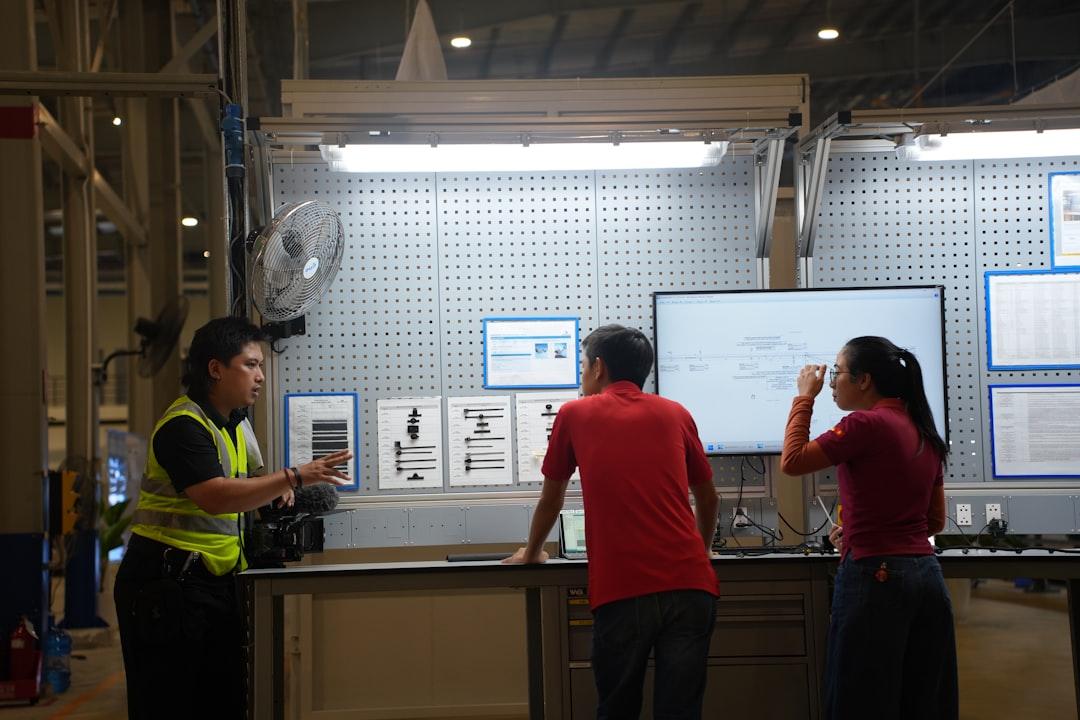
For many medium-sized manufacturing companies, the best decision is not “MES or Novo AI,” but the right sequence.
A large MES project can make sense, but it should be built on a realistic data foundation. If a company does not yet know which machines are truly productive, where idle time occurs, how often microstops happen or which planned times are unrealistic, an important foundation is missing. In this case, starting directly with a large MES implementation can be risky.
The pragmatic sequence is:
First, make machine states visible. Then analyze downtime, idle time and microstops. After that, connect order data, shifts and ERP information. Only then decide which MES functions are really needed.
This sequence is especially useful because it delivers fast insights. A company does not need to digitize all processes immediately. It can start with a few machines and answer concrete questions: Which machine loses the most time? Which downtime events occur regularly? Which shift has the biggest deviations? Which machines often run idle? Which orders take longer than planned?
On this foundation, a later MES decision becomes better. Instead of building an MES on assumptions, the company can use real production data. It then knows more precisely which processes need to be prioritized, which machines should be connected and which data is really relevant.
For many medium-sized companies, Novo AI is therefore a sensible first step. It creates transparency without immediately burdening the organization with a large MES project. At the same time, it does not exclude a later MES. On the contrary: Novo AI can help create a better foundation for an MES because actual machine states are already visible.
However, if the company already has clear MES requirements, wants to deeply integrate several production areas and has sufficient resources for process design, master data, interfaces and training, a classical MES can make sense directly.
The decision should therefore not be ideological. An MES is not an opponent of Novo AI. Novo AI is not a replacement for every MES use case. Both systems have different strengths. What matters is where the company currently stands.
Typical Decision Scenarios
Scenario 1: Old Machines Without Clean Interfaces
A company has several older machines that produce reliably but do not provide usable data. Downtime is recorded manually or not captured at all. Production management only sees at the end of the shift that less was produced than planned.
In this case, Novo AI is usually the better first step. The machine does not need to be replaced. A control integration does not have to be built first. Instead, machine states are detected externally and made visible. This creates transparency before a larger digital project starts.
Scenario 2: Existing ERP, but No Real Shopfloor Transparency
Many companies have an ERP system but still do not know exactly what is happening on the shopfloor. The ERP shows planned orders, bills of material, routings and delivery dates. But it does not reliably show whether a machine is currently productive, running idle or losing time through microstops.
Here, Novo AI can close the gap between planning and reality. Production management sees what is actually happening at the machine. When ERP data is connected later, a realistic plan-versus-actual comparison becomes possible.
Scenario 3: High Quality and Traceability Requirements
A company must document every production step, collect quality data, track batches and meet regulatory requirements. Machine states are important, but they are only one part of the overall process.
In this case, a classical MES is often the better choice. It can map quality, traceability, order control and process documentation more comprehensively. Novo AI can complement the setup if machine states from existing machines also need to become visible.
Scenario 4: OEE Should Be Introduced, but Data Is Missing
A company wants to use OEE as a KPI but does not have reliable data for availability, performance and loss times. Downtime is not fully captured, idle time is not detected and microstops remain invisible.
Here, Novo AI is a very good fit. OEE is only as good as the data foundation. When machine states become automatically visible, OEE can be calculated more reliably and used more effectively on the shopfloor.
Scenario 5: Multiple Plants Should Be Standardized
A larger company wants to bring multiple plants onto standardized processes. Production planning, quality management, feedback, material flow and KPIs should be standardized.
In this case, an MES or MOM system can be the right strategic framework. Novo AI can still be used for individual existing machines or difficult-to-integrate equipment to close additional data gaps.
Why Novo AI Works Especially Well as a Step Before MES
Many companies treat digitalization as one big decision: either they start an MES project or they do nothing. This way of thinking often causes important transparency projects to be delayed. The company waits for the large system while machine losses remain invisible.
Novo AI offers a different path. The solution can be used as a step before MES. This means the company first makes machine reality visible and then builds later decisions on that foundation.
This preliminary step has several advantages.
First, data becomes available quickly. Instead of discussing target processes for a long time, the company sees real machine states. This makes it clear where the biggest losses are.
Second, master data becomes verifiable. Many companies have planned times in ERP that no longer match reality. When WatchMen shows how long machines actually produce or run idle, planned times, calculations and routings can become more realistic.
Third, communication between shopfloor and management improves. When production losses are visible, decisions no longer have to rely only on gut feeling. Production managers can show which machines are regularly noticeable. Management and controlling can see where real potential exists.
Fourth, a later MES project becomes more focused. Instead of requesting all functions at once, the company can prioritize: Which processes really need MES depth? Which machines are critical? Which data needs to be integrated? Which feedback is important?
Novo AI is therefore not only an alternative to MES, but often a useful step before MES. Especially for medium-sized companies, this reduces the entry barrier.
Novo AI in Real Manufacturing Environments
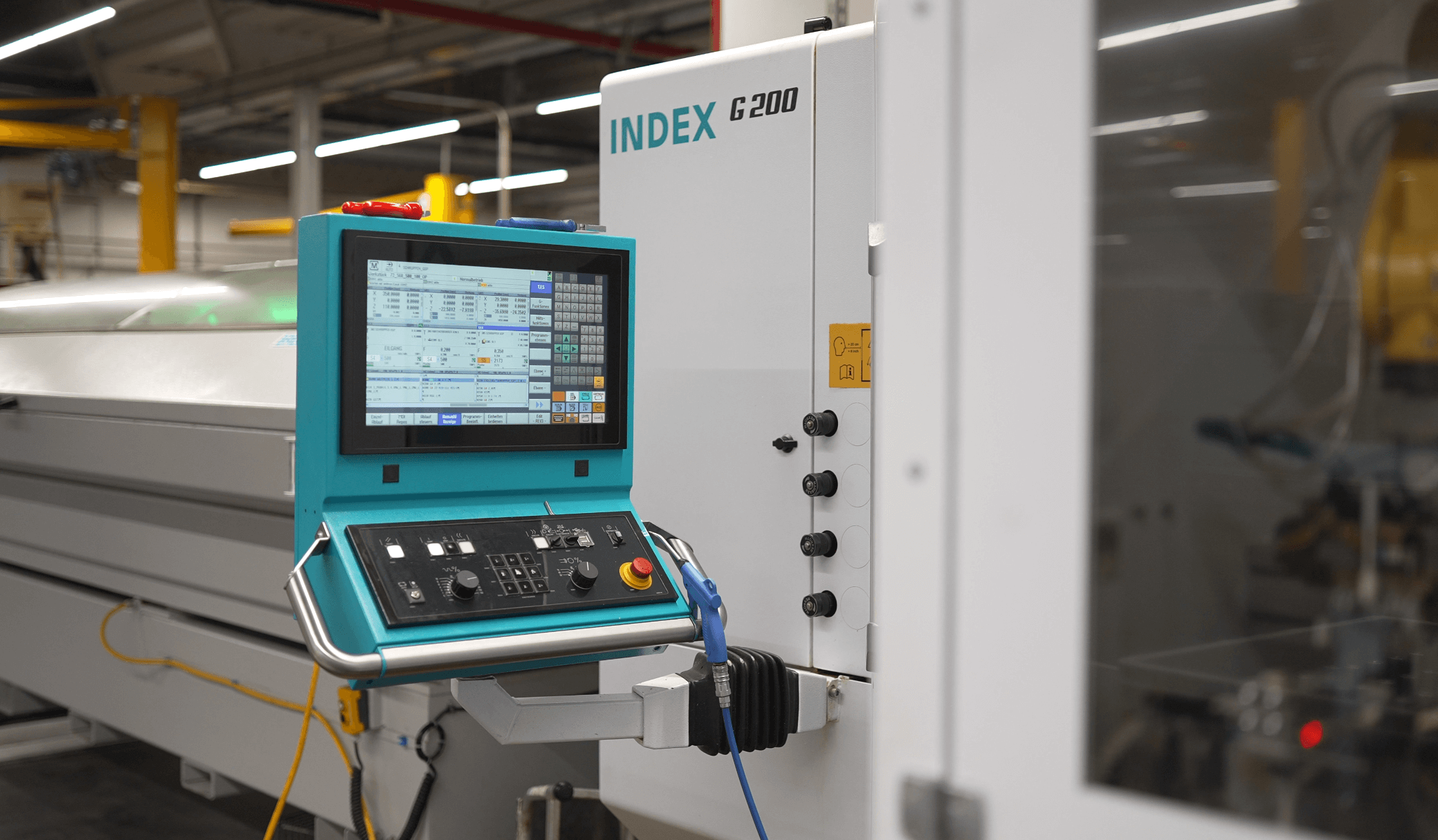
Manufacturing companies trust Novo AI because the solution starts where many digitalization projects fail: with the existing machine park. Instead of replacing machines or first starting a large MES project, Novo AI makes real machine states visible. Companies such as Otto Männer, BlekoTec, Angstrom, Schauenburg Hose Technology, Bockmühlkabel, KUKA Romania, Sorst Streckmetall, Leibinger, Erich Uhe, Jacob Group Pipework and Karl Dungs represent different manufacturing realities — from precision engineering and metal and sheet metal processing to cable, hose, pipe and component manufacturing.
For these companies, theory is not what matters. Everyday production does. Machines need to run, downtime must be detected, idle time must not remain invisible and production decisions need a reliable data foundation. That is exactly what Novo AI was built for.
Novo AI helps companies address this challenge pragmatically. First, it becomes visible what is happening at the machine. Then responsible teams can decide which processes should be improved, which data should be integrated and which systems should be added.
Common Misunderstandings When Comparing MES and Novo AI
Misunderstanding 1: An MES Automatically Solves All Machine Data Problems
An MES can use machine data, but it does not automatically generate data from every existing machine. If a machine does not provide usable data, data collection must be solved first. This is exactly where Novo AI starts.
Misunderstanding 2: Production Monitoring Is Just a Dashboard
A dashboard displays data. Production monitoring must do more: detect states, make losses visible, compare shifts, trigger alarms and support decisions. Novo AI is therefore not just an interface, but a data capture layer plus an analytics platform.
Misunderstanding 3: Without MES, Digitalization Is Incomplete
An MES can be an important building block, but digitalization does not always have to start with the largest system. For many companies, it makes more sense to first make machine states visible and then plan larger integrations.
Misunderstanding 4: Old Machines Need to Be Replaced
Many old machines produce reliably. The problem is not their mechanical performance, but missing transparency. Novo AI helps make existing machines data-capable without replacing them.
Misunderstanding 5: PLC Access Is Always Necessary
For many digital projects, PLC access is helpful. But it is not always necessary to detect machine states. Novo AI uses external signals and is therefore especially suitable for machines where control integration would be difficult.
These companies trust Novo AI














FAQ: Novo AI vs Classical MES Systems
Yes, but only for certain use cases. Novo AI is an alternative when the main goal is fast production monitoring for existing machines.
If a company first wants to make machine states, downtime, idle time, microstops and OEE visible, Novo AI can be faster and more pragmatic than a large MES project. However, if complete manufacturing execution with quality, traceability, material flow and deep process workflows is required, a classical MES is often better suited.
An MES is better when a company wants to digitally control and document the entire manufacturing execution process. This includes order control, quality management, traceability, material bookings, process documentation, ERP integration and standardized workflows.
Especially with complex production processes, multiple plants or high regulatory requirements, an MES can be the right choice.
Novo AI is better suited when the most important challenge is missing machine transparency.
If existing machines do not provide clean data, PLC/SPS access is difficult or the company quickly wants to see where downtime, idle time and microstops occur, Novo AI is often the better first step.
Yes. For many companies, this is even a sensible approach. Novo AI can be used as a transparency layer before an MES project. This allows the company to first see what is really happening in the machine park. These data points later help plan an MES more precisely and prioritize only the functions that are truly needed.
No. Novo AI does not replace every MES use case.
Novo AI is not a comprehensive platform for all manufacturing processes, quality workflows, material flows and traceability requirements. Its strength lies in retrofit production monitoring, machine state detection and transparency over OEE, downtime, idle time and microstops.
No. The central advantage of Novo AI is that machine states can be detected without PLC/SPS access. The external AI sensor is mounted on the machine and uses signals such as vibration and acoustics. This makes Novo AI especially suitable for existing machine parks.
Novo AI is especially suitable for small and medium-sized manufacturing companies with mixed machine parks.
This includes companies with old machines, different manufacturers, missing data transparency, unclear downtime, idle time problems or OEE goals. Larger companies can also use Novo AI when individual plants or machines need to be retrofitted pragmatically.
Yes. Novo AI can connect machine states with order and production data. This makes it visible which machine ran for which order, where deviations occurred and which planned times do not match reality. This is especially valuable for post-calculation, production planning and continuous improvement.
Not always. An MES can also be useful for manufacturing SMEs if the requirements are clear and enough resources are available for implementation, process design and data maintenance.
For many SMEs, however, it is useful to start with transparent machine monitoring first and then decide which MES functions are really needed.
The best first step is a pilot with a few relevant machines. Ideally, the company selects machines where downtime, idle time or unclear utilization are already known problems. With Novo AI, these machines can be monitored quickly. After that, the company can decide based on data whether more machines, ERP integration, BDE processes or an MES project should follow.
MES or Novo AI Is Not an Either-Or Question
The decision between Novo AI and a classical MES system depends on the starting point.
A classical MES is strong when a company wants to digitally manage its manufacturing processes comprehensively. It is suitable for deep integration, quality, traceability, order control, material logic and standardized production processes.
Novo AI is strong when a company first needs to make real machine states visible. The solution is especially suitable for existing machine parks, old or mixed equipment, missing PLC access, unclear downtime, idle time, microstops and OEE transparency.
For many medium-sized manufacturing companies, Novo AI is therefore the better first step. Not because MES systems are bad, but because the most important foundation is often still missing: reliable data from the machines that are already in operation today.
If a company does not know when machines are truly producing, it should not start with a large system that depends on this data. It should first make machine reality visible.
That is exactly what Novo AI was built for.
Check Whether Novo AI Is the Better First Step Before MES
Are you considering whether a classical MES system is the right next step for your production?
Then it is worth starting with one simple question: Do you already know reliably when your existing machines are producing, stopped, running idle or losing time through microstops?
If this transparency is missing, Novo AI can be the faster entry point. Start with a few machines, make real machine states visible and then decide based on data whether an MES, ERP integration or further automation steps make sense.
Request a demo now and see how Novo AI makes your existing machines transparent without PLC access.
References
-
SAP – Was ist ein MES (Manufacturing Execution System)? - Definition von MES als Softwaresystem zur Überwachung, Verfolgung, Dokumentation und Steuerung von Fertigungsprozessen (Zugriff am: 18.06.2026)
-
Siemens – Opcenter Manufacturing Operations Management - Informationen zu MES/MOM-Funktionen, Produktionsprozessen, Qualität, Manufacturing Execution und Manufacturing Operations Management (Zugriff am: 18.06.2026)
-
VDI – VDI 5600 Blatt 1: Manufacturing Execution Systems (MES) - Aufgabenorientierte Beschreibung von MES-Funktionen, Einsatzpotenzialen und Nutzen für produzierende Unternehmen (Zugriff am: 18.06.2026)
-
OPC Foundation – OPC Unified Architecture (OPC UA) - Informationen zu OPC UA als plattformunabhängige Architektur für industrielle Datenkommunikation und Informationsmodellierung (Zugriff am: 18.06.2026)
-
Novo AI – Maschinendaten für jeden Maschinenpark - Beispiel für herstellerunabhängige Maschinendatenerfassung mit KI-Sensor und WatchMen Plattform ohne Eingriff in die Maschinensteuerung (Zugriff am: 18.06.2026)
-
Novo AI – Kunden - Kundenstimmen und Praxisbeispiele zu Maschinenvernetzung, Echtzeitdaten, OEE-Steigerung, Verfügbarkeitsverbesserung und Reduktion von Energieverschwendung (Zugriff am: 18.06.2026)
-
Novo AI – Maschinen nachrüsten - Informationen zum Retrofit-Ansatz für bestehende Maschinenparks, Maschinendatenerfassung ohne komplexe IT-Integration und Produktivitätssteigerung (Zugriff am: 18.06.2026)
-
Novo AI – WatchMen Plattform - Übersicht zur WatchMen Plattform für Echtzeit-Produktionsüberwachung, Maschinendaten, Berichte, Analysen und industrielle KI-Anwendungen (Zugriff am: 18.06.2026)