Home / Case Studies / Stranding Machine
CASE STUDY / CABLE MANUFACTURING
Stranding Machine Monitoring in Cable Manufacturing
How can cable manufacturers make hidden production losses visible across existing stranding machines? In this project, 18 stranding machines were monitored with Novo AI WatchMen. The customer reported a 29.23% productivity improvement, while machine-state data helped make idle time, reel and material waiting, setup losses, microstops and downtime visible.
Free PDF · No registration
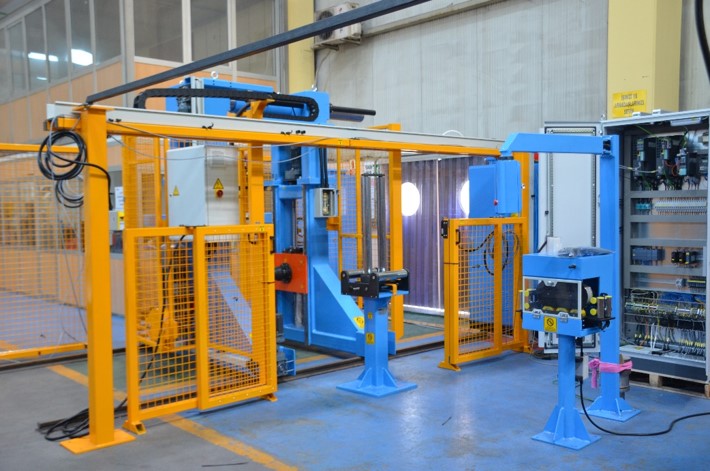
Cable manufacturing: making productive stranding and hidden machine-time losses visible.
+29.23%
higher productivity
Customer-reported result
18
monitored stranding machines
Cable manufacturing
+10,522.8 h
productive capacity per year
Approximate modeled fleet estimate
In this case study Project · Implementation · Measures · Results · FAQ
THE PROJECT
At a Glance
Industry
Cable manufacturing
Machine fleet
18 monitored stranding machines
Machine generations
Mixed generations
Operations
Operating model: 2 × 8-hour shifts
Technology
External retrofit sensors + WatchMen
Focus
Productive stranding, idle time, reel/material waiting, setup, microstops and downtime
THE CHALLENGE
A Running Stranding Machine Can Still Hide Lost Capacity
Stranding is a continuous manufacturing process, but scheduled machine time can still be consumed by setup, reel and material waiting, idle periods, short interruptions and downtime. Cable construction, material and pitch also influence the production context.
The production team therefore needed a clearer view of how much machine time became productive stranding and where recurring losses were occurring.
Idle & Waiting
Identify longer waiting periods and understand when machines are available but not productively stranding.
Setup & Reel Readiness
Make setup, reel changes and material-related waiting visible and comparable.
Microstops & Downtime
Reveal recurring short interruptions and longer downtime that can accumulate across production runs.
FROM MACHINE TO ANALYSIS
Measure. Interpret. Understand.
Machine monitoring provides the physical timeline. Reliable production analysis comes from validated machine states combined with the order, material and production context needed to explain why productive stranding stops.
01
Capture machine behavior
External Novo AI sensors capture physical machine behavior and create a common monitoring layer across the 18 stranding machines without requiring basic PLC access.
02
Validate machine states
Edge processing and validation support the distinction between productive stranding, idle periods, setup, microstops and downtime.
03
Add production context
WatchMen combines machine states with order and production context. Cable construction, material, reel configuration, pitch and quality requirements can then be considered when investigating deviations.
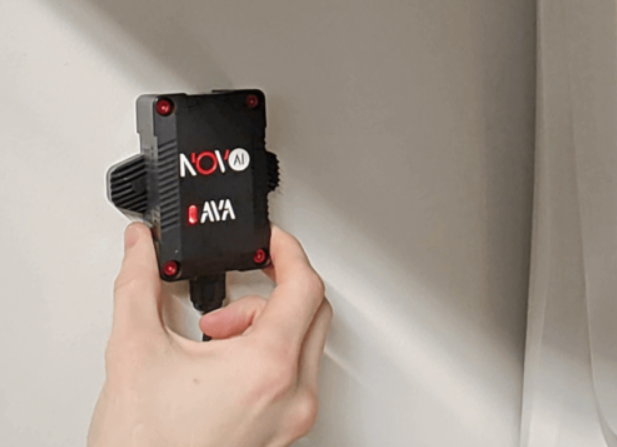
EXTERNAL SENSORS
Stranding Machine Data Without PLC Access
AVA sensors capture physical machine behavior, including acoustic and vibration signals. The signals are interpreted and validated against actual operation, while WatchMen provides a common machine-state timeline for analysis. Order, setup and reason information can then add production context without requiring PLC access for the basic machine-monitoring layer.
TURNING DATA INTO ACTION
Turn Recurring Stranding Losses Into Practical Improvements
Monitoring shows where scheduled machine time is being lost. The next step is to focus on the largest recurring loss categories and verify whether process changes release usable stranding capacity.
01
Reduce hidden idle time
Review longer idle and waiting periods around material readiness, next-order preparation and machine availability. Use the machine timeline to identify recurring waiting patterns and improve preparation before production should begin.
02
Prepare reels, material and setup earlier
Reel changes, material availability and setup tasks should be prepared before the machine becomes available. Comparing recurring setup and waiting events helps reveal where readiness can be improved.
03
Investigate recurring interruptions and downtime
Repeated microstops and longer downtime should be reviewed together with order and production context. Separate machine losses from unrealistic planning assumptions, implement corrective actions and then compare the same indicators again.
RESULTS IN CONTEXT
What Improved During the Project
REPORTED PROJECT RESULT
−43.75%
less idle time
In the modeled production scenario, idle time was reduced by 43.75%. The detailed before-and-after values and calculation basis are included in the complete case study PDF.
+10,522.8
additional productive machine-hours per year
Approximate annual capacity estimate across the 18 monitored stranding machines.
Reported result: The customer reported a 29.23% productivity improvement. WatchMen helped make productive stranding and recurring losses such as idle time, reel and material waiting, setup, microstops and downtime visible for systematic investigation.
Annual capacity estimate: The modeled improvement corresponds to approximately 10,522.8 additional productive machine-hours per year across the monitored fleet. This represents released production capacity within the existing machine schedule rather than a full year of directly measured additional cable output.
Context: These figures relate to the project described. Starting conditions, product mix, shift model and the measures implemented affect the result. A reduction in time losses does not automatically mean an equally large increase in OEE.
GOOD TO KNOW
Questions About Stranding Machine Monitoring
Which machines were included in the case study?
The monitored scope consisted of 18 stranding machines used in cable manufacturing. The fleet included mixed machine generations; exact build years were not verified in the supplied project data.
What productivity result did the customer report?
The customer reported a 29.23% productivity improvement. The detailed idle-time, loss-category and annual-capacity figures are modeled values used to interpret the reported result.
How much idle time was reduced?
The model estimates approximately 10,522.8 additional productive machine-hours per year across the 18 monitored machines. This is an annualized capacity estimate rather than a complete year of directly measured additional cable output.
What losses can machine monitoring make visible?
The case study considers productive stranding, idle and waiting periods, reel and material waiting, setup and changeovers, recurring microstops and downtime.
Can stranding machines be monitored without PLC access?
Novo AI's external retrofit approach can capture machine behavior without basic PLC intervention. The WatchMen platform can then visualize machine states, idle periods, downtime and other production patterns.
How long does installation take?
Novo AI uses an approximate 15-minute installation benchmark per machine for its external sensor approach. However, this is a general Novo AI benchmark; a project-specific installation duration was not supplied for this case study.
THE COMPLETE CASE STUDY
Details to Support Your Decision
Download the English PDF with the project description, loss categories, results and detailed measurement and calculation basis.
Download the free PDF ↓APPLYING IT TO YOUR PRODUCTION
What Would You Like to Make Visible?
Tell us how many stranding machines you operate, the types of cables you produce and your most important production question: idle time, reel changes, material waiting, setup, microstops or downtime?
Together, we can identify suitable pilot machines and determine which machine states and production losses should be made visible first.
Further reading: CNC Monitoring in Precision Tool Manufacturing · Understanding machine data acquisition: data and system boundaries · All Case Studies
Publisher: Novo AI GmbH. Source of the project information: the corresponding case study PDF. Definition and calculation: OEE based on availability, performance and quality.